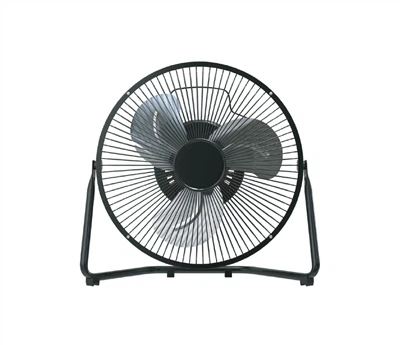
Airflow uniformity is a crucial factor when it comes to evaluating the performance of a desktop fan. As a desktop fan supplier, I've witnessed firsthand how this aspect can significantly impact user experience. In this blog, I'll delve into what airflow uniformity means, why it matters, and how our desktop fans, such as the 10 Inch Desktop Fortune Fan, 9 Inch Dual Window Fan, and 8 Inch Desktop Fan, excel in this area.
Understanding Airflow Uniformity
Airflow uniformity refers to the even distribution of air across the fan's coverage area. A fan with high airflow uniformity ensures that every corner within its reach receives a consistent amount of air. This is in contrast to fans that may produce strong air currents in some areas while leaving others with little to no airflow.
To measure airflow uniformity, we typically look at the variation in air velocity across different points in the fan's coverage area. A lower variation indicates better uniformity. For example, if a fan has an average air velocity of 3 meters per second, and the velocities at different points range from 2.8 to 3.2 meters per second, it has relatively high airflow uniformity. On the other hand, if the velocities range from 1 to 5 meters per second, the uniformity is poor.
Why Airflow Uniformity Matters
Comfort
One of the primary reasons why airflow uniformity is important is comfort. When a fan provides uneven airflow, you may find yourself constantly shifting your position to catch the breeze. This can be quite annoying, especially when you're trying to relax or focus on a task. With a fan that offers uniform airflow, you can enjoy a consistent and comfortable cooling effect wherever you are within its range.
Efficiency
Uniform airflow also contributes to the overall efficiency of the fan. When air is distributed evenly, it can effectively circulate the air in the room, reducing hot spots and improving ventilation. This means that the fan can achieve the desired cooling effect with less energy consumption. In contrast, a fan with poor airflow uniformity may need to run at a higher speed to compensate for the areas with low airflow, resulting in increased energy usage.
Health
In addition to comfort and efficiency, airflow uniformity can also have an impact on your health. Stagnant air can accumulate dust, allergens, and other pollutants, which can trigger respiratory problems and allergies. A fan with good airflow uniformity helps to keep the air moving, preventing the buildup of these harmful substances and promoting a healthier indoor environment.
How Our Desktop Fans Ensure Airflow Uniformity
At our company, we understand the importance of airflow uniformity, and we've implemented several design features in our desktop fans to ensure optimal performance.
Blade Design
The shape and angle of the fan blades play a crucial role in determining airflow uniformity. Our engineers have spent countless hours researching and developing blade designs that can generate a wide and even airflow pattern. For example, our 10 Inch Desktop Fortune Fan features specially curved blades that are designed to push air forward in a smooth and consistent manner. This helps to distribute the airflow evenly across a large area, providing maximum comfort.
Motor Technology
Another key factor in achieving airflow uniformity is the motor technology. Our fans are equipped with high-quality motors that are designed to provide stable and consistent power. This ensures that the blades rotate at a constant speed, resulting in a uniform airflow. Additionally, our motors are also energy-efficient, which helps to reduce operating costs without compromising on performance.
Oscillation Function
Many of our desktop fans, including the 9 Inch Dual Window Fan, come with an oscillation function. This allows the fan to rotate from side to side, covering a wider area and providing more uniform airflow. The oscillation speed and angle can be adjusted according to your needs, giving you greater control over the cooling effect.
Real-World Applications
Our desktop fans with excellent airflow uniformity are suitable for a wide range of applications. Whether you're using them in your home, office, or other indoor spaces, they can provide a comfortable and refreshing environment.
Home Use
In the home, our fans can be used in bedrooms, living rooms, kitchens, and other areas. They can help to keep you cool during hot summer days and improve air circulation, making your home more comfortable and healthy. For example, you can place the 8 Inch Desktop Fan on your bedside table to enjoy a gentle and uniform breeze while you sleep.
Office Use
In the office, our fans can help to improve productivity by keeping you cool and focused. They can also reduce the stuffiness in the office, creating a more pleasant working environment. You can place a fan on your desk to provide direct airflow or use an oscillating fan to circulate the air in the entire room.
Other Indoor Spaces
Our desktop fans are also suitable for other indoor spaces, such as classrooms, libraries, and waiting rooms. They can help to create a comfortable and inviting atmosphere for students, readers, and visitors.
Conclusion
Airflow uniformity is an important aspect of desktop fan performance that can significantly impact comfort, efficiency, and health. As a desktop fan supplier, we're committed to providing our customers with high-quality fans that offer excellent airflow uniformity. Our 10 Inch Desktop Fortune Fan, 9 Inch Dual Window Fan, and 8 Inch Desktop Fan are all designed with advanced features to ensure optimal airflow distribution.
If you're interested in purchasing our desktop fans or have any questions about airflow uniformity, please don't hesitate to contact us. We're always happy to assist you and help you find the perfect fan for your needs.


References
- Chen, Q. (2009). CFD simulation of indoor air distribution: A review. Building and Environment, 44(3), 503-516.
- Awbi, H. B. (2003). Ventilation of buildings. Spon Press.
- Wang, Y., & Chen, Q. (2004). A review of CFD simulation of airflow distribution in ventilation rooms. Building and Environment, 39(6), 687-702.