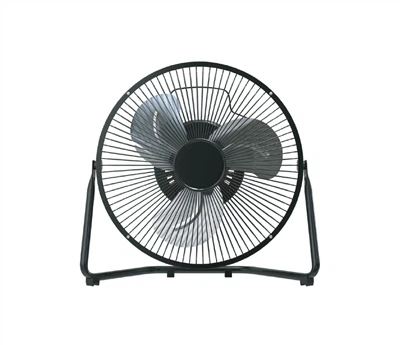
Hey there! As a supplier of floor standing fans, I've had my fair share of customers asking about how to adjust the height of these fans. It's a pretty common question, and it's actually not that difficult to do. In this blog post, I'll walk you through the steps on how to adjust the height of a floor standing fan, and I'll also give you some tips on how to choose the right fan for your needs.
First things first, let's talk about why you might want to adjust the height of your floor standing fan. There are a few reasons for this. Maybe you want to direct the airflow to a specific area, like your desk or your bed. Or maybe you want to adjust the height to make the fan more comfortable to use. Whatever the reason, adjusting the height of your floor standing fan can make a big difference in how well it works for you.
Now, let's get into the steps on how to adjust the height of a floor standing fan. The process may vary depending on the model of your fan, but most floor standing fans have a similar mechanism for adjusting the height. Here's a general guide:
Step 1: Locate the height adjustment mechanism
The first step is to locate the height adjustment mechanism on your floor standing fan. This is usually a lever or a knob that is located near the base of the fan. Some fans may have a more complex mechanism, such as a telescoping pole or a locking system. But in most cases, you should be able to find the height adjustment mechanism pretty easily.
Step 2: Loosen the mechanism
Once you've located the height adjustment mechanism, you'll need to loosen it. This will allow you to move the fan up or down. If the mechanism is a lever, you'll usually need to pull it up or down to loosen it. If it's a knob, you'll need to turn it counterclockwise to loosen it.
Step 3: Adjust the height
After you've loosened the height adjustment mechanism, you can start adjusting the height of the fan. You can either move the fan up or down, depending on your needs. Make sure to move the fan slowly and carefully, so you don't damage the mechanism.
Step 4: Tighten the mechanism
Once you've adjusted the height of the fan to your desired level, you'll need to tighten the height adjustment mechanism. This will lock the fan in place and prevent it from moving. If the mechanism is a lever, you'll usually need to push it back into place to tighten it. If it's a knob, you'll need to turn it clockwise to tighten it.
Step 5: Test the fan
After you've tightened the height adjustment mechanism, you should test the fan to make sure it's working properly. Turn on the fan and make sure the airflow is directed where you want it to go. If the fan is wobbling or making noise, you may need to adjust the height again or check the mechanism for any damage.
That's it! Adjusting the height of a floor standing fan is a pretty simple process. Just follow these steps, and you should be able to adjust the height of your fan in no time.
Now, let's talk about some tips on how to choose the right floor standing fan for your needs. There are a few things you should consider when choosing a floor standing fan, such as the size of the fan, the type of motor, and the features it offers.


Size
The size of the fan is an important factor to consider. If you have a small room, you may want to choose a smaller fan, such as a 9 Inch Floor Fan. This type of fan is usually more compact and easier to move around. On the other hand, if you have a large room, you may want to choose a larger fan, such as a 16 Inch Floor Standing Fan. This type of fan can provide more airflow and cover a larger area.
Motor
The type of motor is another important factor to consider. There are two main types of motors used in floor standing fans: AC motors and DC motors. AC motors are the most common type of motor used in floor standing fans. They are usually more powerful and can provide more airflow. However, they are also more energy-intensive and can be louder. DC motors, on the other hand, are more energy-efficient and quieter. They are also usually more expensive than AC motors.
Features
Finally, you should consider the features that the fan offers. Some fans come with additional features, such as oscillation, remote control, and multiple speed settings. These features can make the fan more convenient and comfortable to use. For example, if you want to be able to adjust the direction of the airflow without getting up from your seat, you may want to choose a fan with oscillation. If you want to be able to control the fan from across the room, you may want to choose a fan with a remote control.
In conclusion, adjusting the height of a floor standing fan is a simple process that can make a big difference in how well the fan works for you. Just follow the steps I've outlined in this blog post, and you should be able to adjust the height of your fan in no time. And when choosing a floor standing fan, make sure to consider the size of the fan, the type of motor, and the features it offers.
If you're interested in purchasing a floor standing fan, I'd love to talk to you about our products. We offer a wide range of floor standing fans in different sizes, styles, and features. Whether you're looking for a small fan for your bedroom or a large fan for your living room, we have the perfect fan for you. Just reach out to us, and we'll be happy to help you find the right fan for your needs.
References
- General knowledge and experience as a floor standing fan supplier.