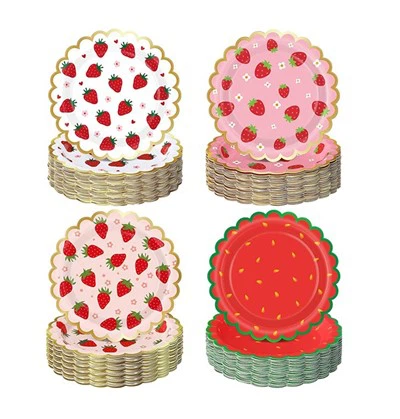
In modern fast-paced life, disposable paper plates have become a common choice in catering, outdoor activities and commercial services due to their convenience and hygiene. However, how to use disposable paper plates correctly can not only improve the user experience, but also take into account environmental protection and cost control, which is a concern for many users. Here are some practical tips to help you use disposable paper plates more efficiently.
First, it is important to choose paper plates of the right size and thickness. Disposable paper plates are usually divided into a variety of specifications, ranging from mini sizes to large dinner plates. Choosing the right size according to the type and amount of food can not only avoid waste but also ensure stability. For example, when serving foods with more liquids (such as soups), it is recommended to choose thicker paper plates or styles with leak-proof designs to prevent leakage.
Second, pay attention to the weight limit. Although disposable paper plates are light, over-stacking of food may cause the paper plates to deform or break. It is recommended to cut heavier foods (such as a whole roast chicken or a large cake) into small portions, or use more durable dinner plates instead. In addition, avoid placing overheated items on paper plates to prevent the paper plates from softening or releasing harmful substances.
In terms of environmental protection, although disposable paper plates are convenient, you should also pay attention to reducing waste. If the event is small, you can consider using reusable tableware; if you must use disposable paper plates, choose products made of degradable or recycled materials to reduce the impact on the environment. At the same time, plan the food portions reasonably to avoid a large number of unused paper plates being discarded due to excessive preparation.
Finally, when storing disposable paper plates, they should be placed in a dry and ventilated place to avoid moisture or squeezing and deformation. Unused paper plates can be neatly stacked, which saves space and is easy to access.
With these tips, you can not only improve the efficiency of disposable paper plates, but also find a balance between environmental protection and cost, and contribute to sustainable living.